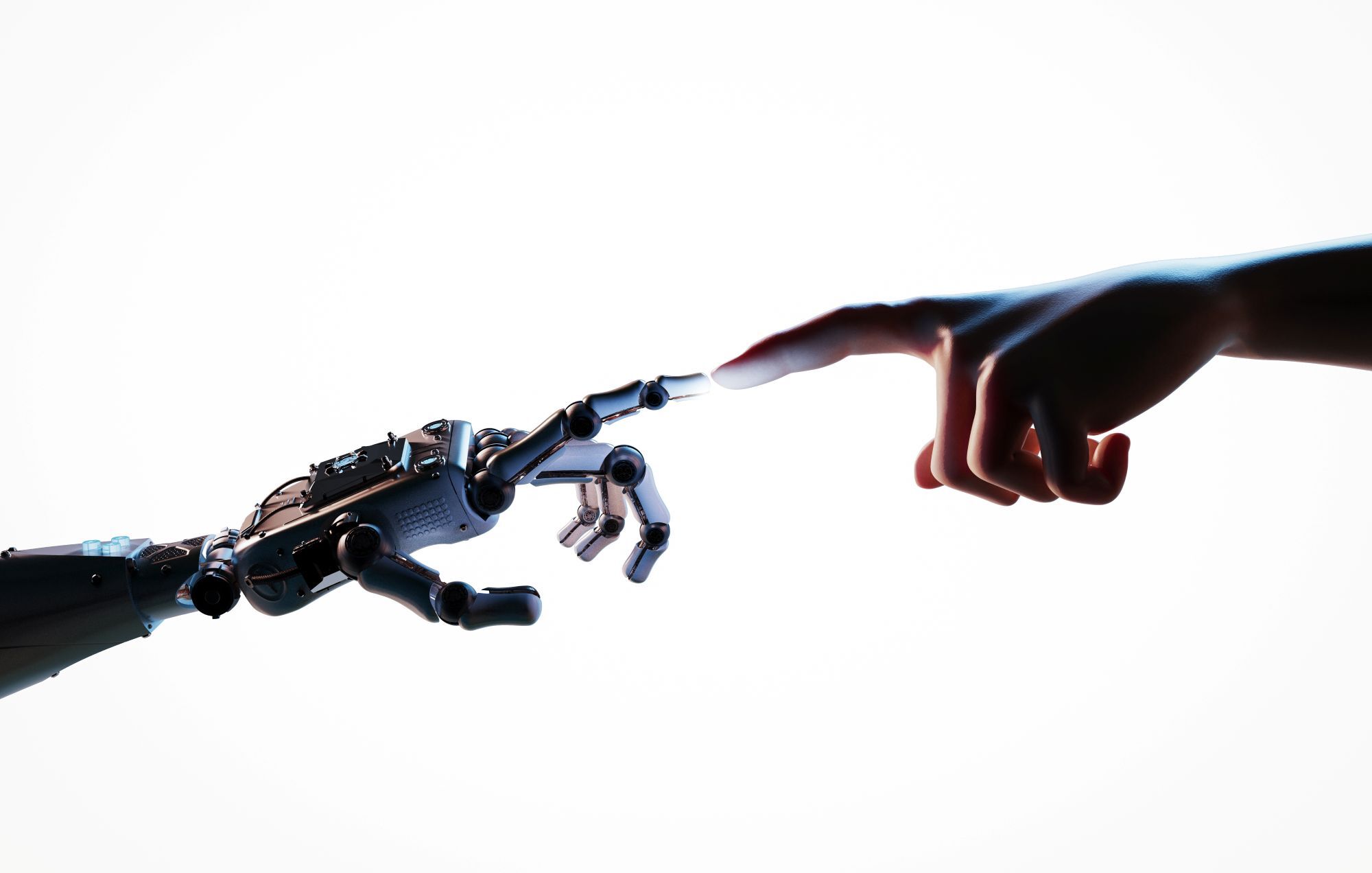
You might say AI design is getting better, but why does it still need a human touch?
A year or two ago, AI-generated layouts appeared experimental, including elements that were not clearly legible or flowed well, like warped text, uneven spacing, and buttons that went nowhere.
Today, AI design tools can now transform simple prompts into polished screen concepts in seconds. But turning these initial designs into production-ready products still requires a human touch. You might ask why? We understand that AI has come a long way; it brings exciting opportunities for design teams. However, a design might look ready at first glance, but when AI-generated designs are used without proper review, there is a risk of overlooking issues that could affect functionality, usability, or the overall user experience.
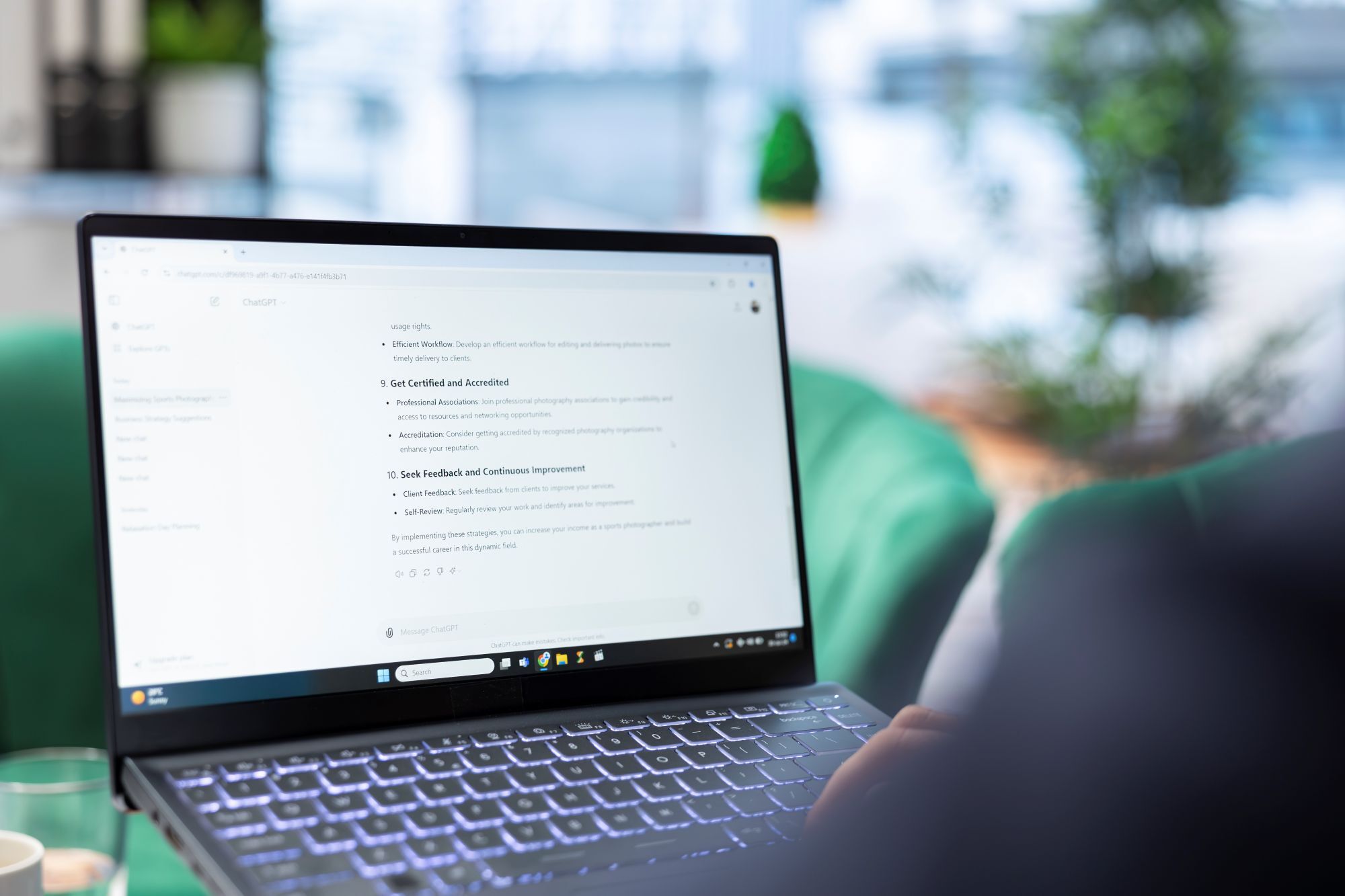
At Foamtaculous, we believe the best results come from combining AI’s capabilities with human creativity and expertise; we see this as an important part of the creative process. AI can help bring ideas to life and explore different design possibilities, but turning those ideas into physical products takes more than a good-looking design. It requires human expertise to refine the details, consider materials and manufacturing limitations, and make sure the final product matches the original vision.
Where AI Adds the Most Value
AI design has become genuinely useful for the early, exploratory stages of work. Four strengths stand out :
- Speed: Explore multiple layout directions in the time it once took to sketch a single concept.
- Visual polish: Typography, color, and spacing are far more coherent than they used to be.
- Flexible Exploration: Testing new ideas takes less time, allowing teams to explore alternatives and find the right direction together.
- Greater Accessibility: Founders, marketers, and even engineers can support a credible first draft without needing a design background.

For brainstorming, moodboards, and getting past a blank canvas, this is a real step forward.
Why Human Expertise Still Matters
This is where human creativity and production expertise make a difference.
Experienced designers can review an AI-generated concept, identify various manufacturing challenges, and refine the details without altering its original design. They understand how and when certain features need simplifying, when proportions need adjusting, and how different materials influence the finished product.
In the case of customizing Mascots, stress balls, and plush toys, this process can involve translating visual references from samples and turning them into workable designs, refining individual features, and ensuring the character or brand’s authentic identity is maintained when brought to life.
AI can help shape the creative direction, but human designers need to check proportions, materials, dimensions, and construction details to ensure the design can be manufactured as intended. Such as stitching placement, material limitations, component sizes, or how separate pieces fit together, because without a human review, these issues can lead to prototypes that need rebuilding, wasted materials, unexpected production costs, or finished products that don’t match the original design requirements.
The Best Results Come From Combining Both
AI excels at generating ideas quickly, and people excel at making those ideas real. Turning a concept into something people can hold is a craft built on experience, careful decisions, and an understanding of the materials. Neither is complete on its own, and the magic happens when they work side by side, combining AI’s creative potential with the human expertise and care needed to bring an idea to life.
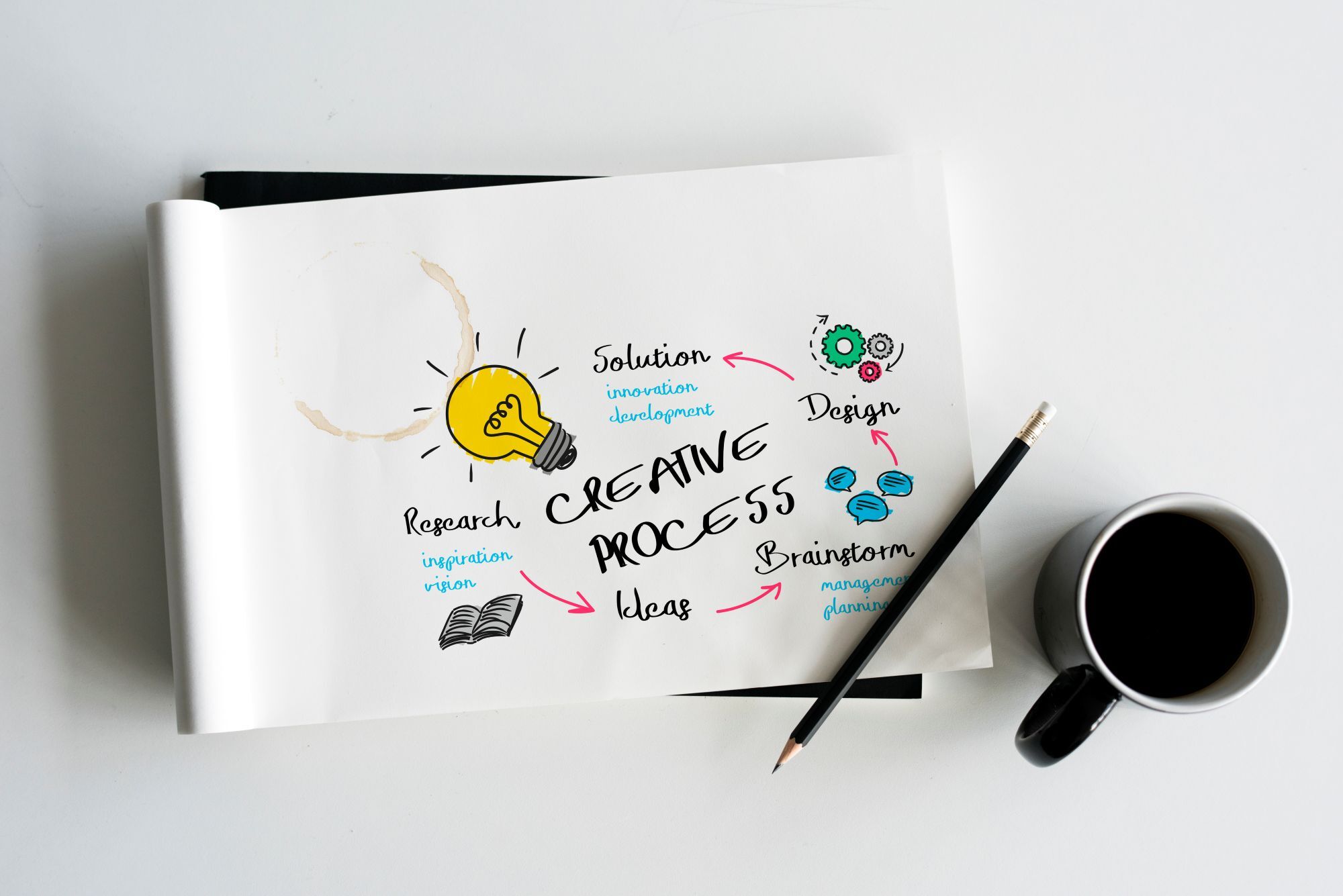
Here’s what AI and human expertise can do together:
• Pattern-making and engineering: Translating flat designs into physical products, ensuring mascots have accurate proportions, plush toys have well-placed seams and balanced shapes, and stress balls retain their intended form, details, and feel.
• Material judgment: Choosing fabrics, fills, and foam densities that give the right look, feel, and durability for the job.
• Simplifying with care: Knowing which details to keep, which to adjust, and how to preserve a character’s personality while making it buildable.
• Prototyping and testing: Making a sample, testing its shape and feel, and refining the details that only become apparent when the product is physically in hand.
• Quality control: Checking stitching, shape, and color consistency across every piece in a run, and standing behind the result.
Bringing Ideas to Life at Foamtaculous
We like AI, and we use it the way a good workshop uses a sketchbook to get ideas moving. It helps us and our clients explore more options, find the direction that feels right, and build on strong concepts before refining them into the final design.
We at Foamtaculous believe that great branded products begin with strong ideas and are realized through thoughtful execution.
Maybe it’s a mascot with big-stage personality, a plush toy that begs to be hugged, or a stress ball that finally makes Monday bearable.
An AI-generated image is a wonderful start, but each part needs to be reviewed and refined to achieve the final result we have in mind. Somewhere between the screen and your hands, someone has to work out how the design will be sewn, stuffed, or squeezed, which details will hold up under fabric, foam, and thread, and what needs to change to make it possible to build. That’s how a promising concept becomes a product that works as well as it looks.
Because creativity does not end when the image is generated. That is where the real work of bringing an idea to life begins.
Have an AI-generated concept you’d love to bring to life? Let’s make it tangible.